
THE IMPACT OF INFORMATION TECHNOLOGY ON THE URBAN INFRASTRUCTURE OF THE FUTURE
Today, the growing prevalence of Information, Communication, and Internet technologies (ICT) is rapidly transforming our living and working environments; the interaction between cities and technology is increasing, and a rapid transformation is taking place in both infrastructure and superstructure. Along with this transformation, cities are evolving into “smart cities” that utilize new technologies, and “smart grid” systems are becoming widespread in their infrastructure.
According to research, it is projected that 50.1 billion devices will be connected to the Internet by 2020. (Forbes, 2017) Having so many devices and objects connected to the Internet is giving rise to new concepts and technologies. In recent years, concepts such as the Internet of Things (IoT), the Industrial Internet of Things (IIoT), cloud technology, smartphones, smart meters, and sensors have rapidly entered our daily lives.
If we take a brief look at the most important of these concepts,
- Internet of Things (IoT): A concept representing devices that communicate with one another through various communication protocols, connect to each other, and share information to form a smart network.
- Industrial Internet of Things (IIoT): This concept emerged from the adaptation of the Internet of Things to the industrial sector. Thanks to communication technology between machines, more efficient and accurate production can be achieved.
- Cloud Technology: In short, a cloud system can be defined as a service that stores files and data on an online platform.
One of the common characteristics of all these new technological products summarized above is that they generate data. At the urban scale, this data generation implies the creation of new functions, services, and applications. In parallel with equipping the city with such technologies, improvements and upgrades to existing infrastructure—or the establishment of new technological infrastructure—are necessary to utilize urban infrastructure more effectively and efficiently. Research has shown that while developing countries are striving to establish new technological infrastructure, developed countries need to replace their outdated infrastructure; it is estimated that approximately $60 trillion in infrastructure investment will be required between 2016 and 2030. (IEA, McKinsey Global Institute (2013))
All next-generation smart city technologies require an uninterrupted, sustainable, and reliable network to function. New urban infrastructure will consist of numerous small-scale, networked components serving a wide range of uses, rather than serving as a single guiding purpose for ecosystem-like entities. With the integration of these elements, the presence of high-speed broadband networks—and their underlying layers—that facilitate data transfer for urban functions such as roads, water networks, sewage systems, electricity distribution, information and internet technologies, and data transmission is becoming indispensable in smart cities. While these needs used to be met solely by server systems, technological advancements have necessitated new investments in both the infrastructure and the associated superstructure, creating a need for the establishment of new access points and stations.
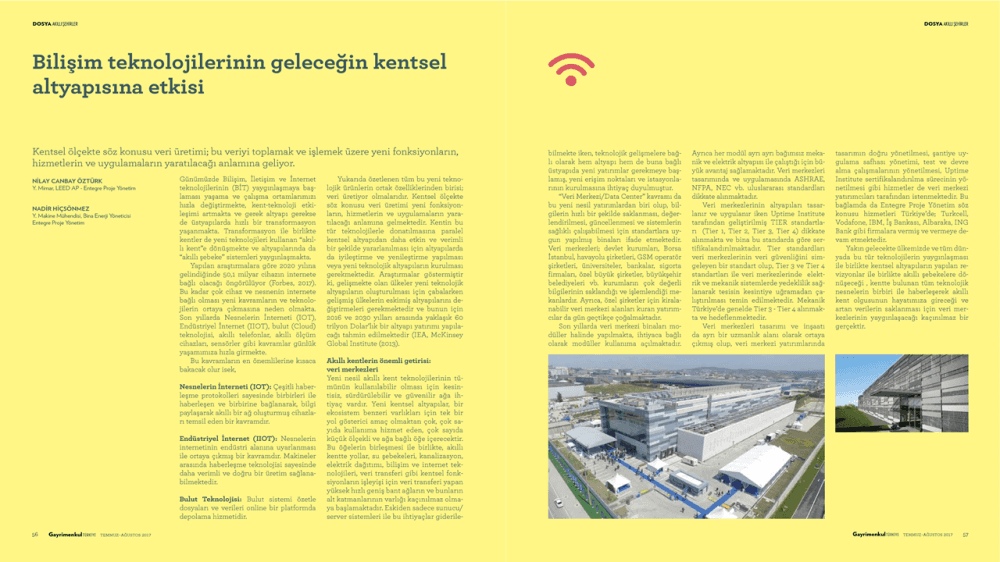
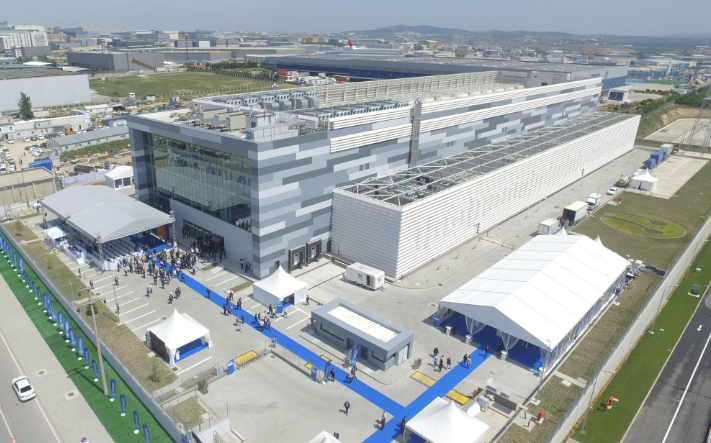
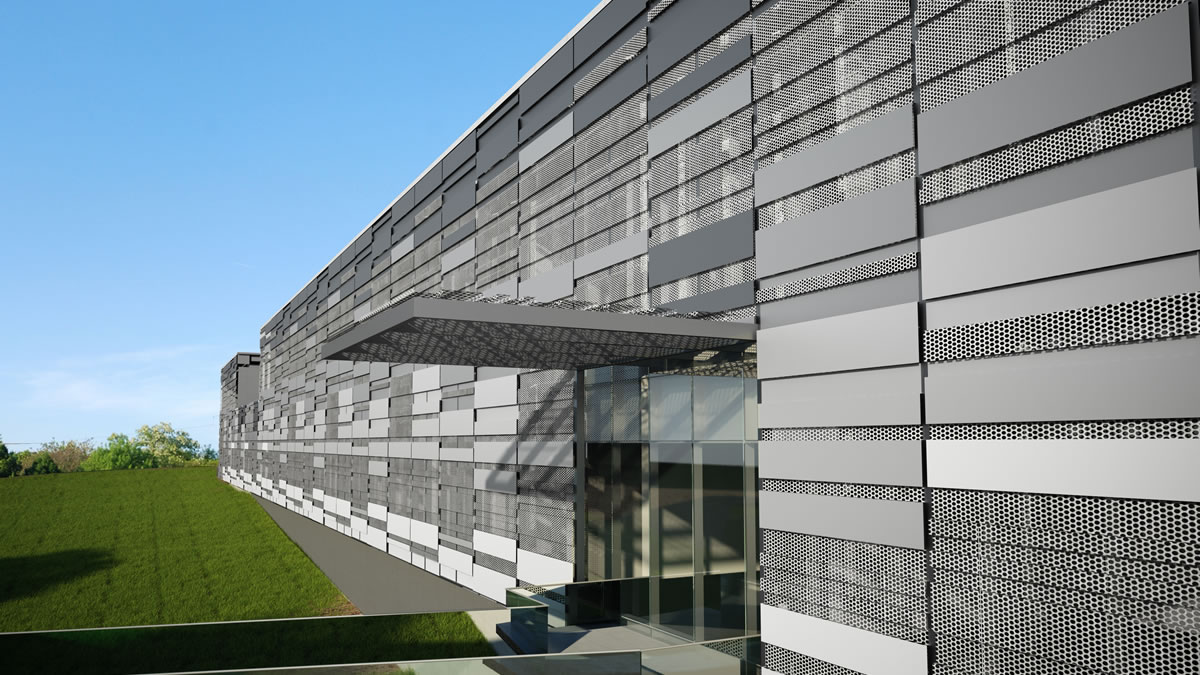
The concept of a “Data Center” is one such new-generation investment; it refers to buildings constructed in accordance with standards to enable the rapid storage, processing, and updating of data, as well as the reliable operation of systems. Data center investments are increasing day by day, both globally and in our country.
Data centers are facilities where highly valuable information belonging to government agencies, Borsa Istanbul, airlines, mobile network operators, universities, banks, insurance companies, large private corporations, metropolitan municipalities, and other institutions is stored and processed. Additionally, the number of investors establishing data center spaces available for rent to private companies is also growing day by day.
In recent years, data center buildings have been constructed in modular units, with modules becoming operational as needed. Furthermore, since each module operates with its own independent mechanical and electrical infrastructure, this provides a significant advantage.
International standards such as ASHRAE, NFPA, and NEC are taken into account in the design and implementation of data centers.
When designing and implementing data center infrastructure, the TIER standards (Tier 1, Tier 2, Tier 3, Tier 4) developed by the Uptime Institute are taken into account, and the facility is certified according to these standards. The Tier standards represent a benchmark for data center reliability; Tier 3 and Tier 4 standards ensure the facility operates without interruption by providing redundancy in electrical and mechanical systems. In Turkey, Tier 3 and Tier 4 are generally adopted and targeted.
Data center design and construction have emerged as a distinct field of expertise. Data center investors also seek services such as proper management of the design phase, on-site construction phase management, management of testing and commissioning activities, and management of the Uptime Institute certification process. In this context, Integrated Project Management has provided and continues to provide these services in Turkey to companies such as TURKCELL, VODAFONE, IBM, İŞ BANKASI, ALBARAKA, and ING BANK.
In the near future, as these types of technologies become more widespread in our country and around the world, urban infrastructure will be transformed into smart grids through revisions; all technological objects in the city will communicate with one another, bringing the concept of the smart city into our lives; and the proliferation of data centers to store the increasing volume of data is an inevitable reality.
Real Estate Turkey, Nadir Hiçsönmez, Nilay Canbay Öztürk, July/August 2017